Getting on the List
Making the Professor Watchlist, Yes, That One
Dearest readers,
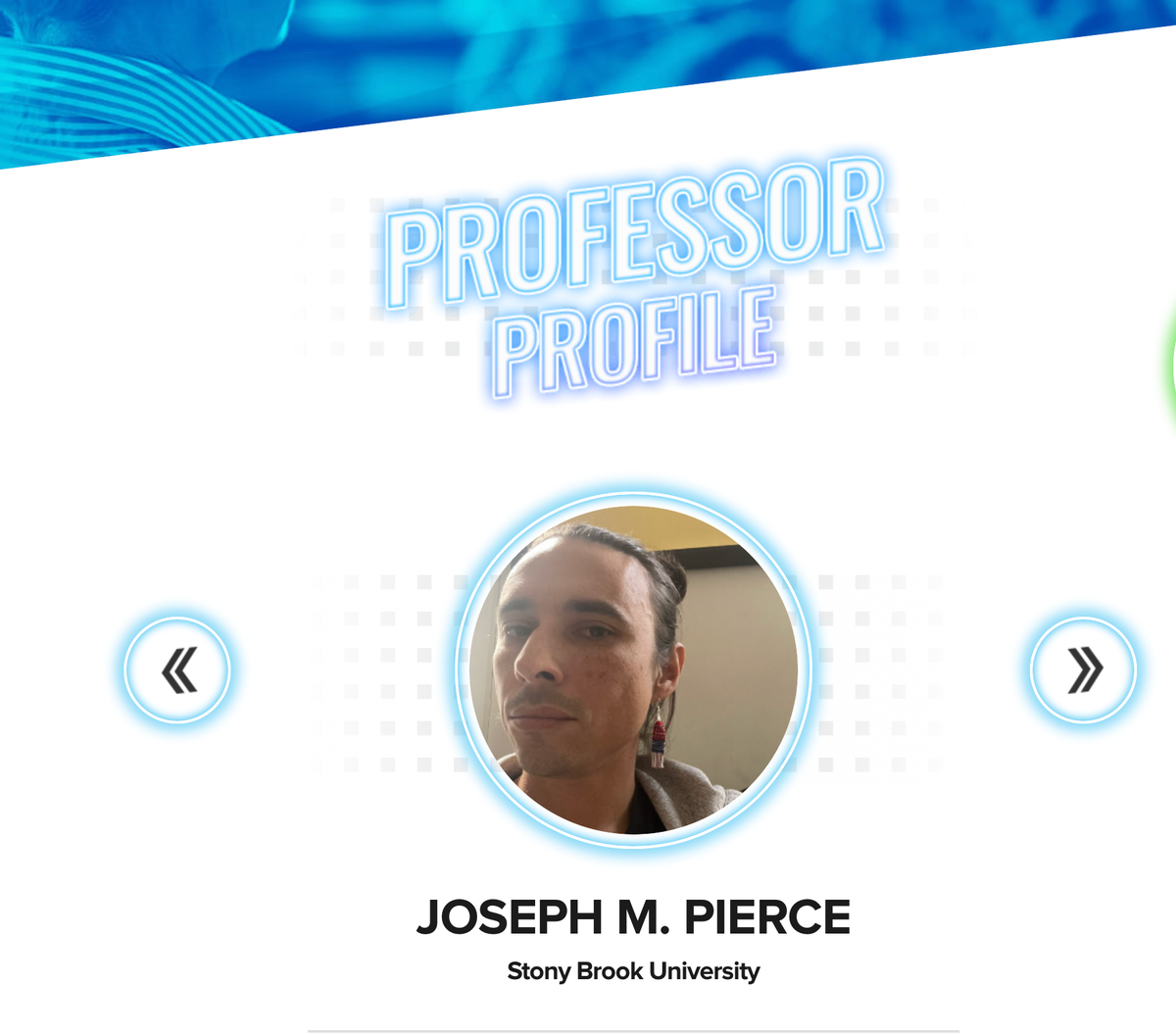
Irony of ironies. As I approach my 40th birthday, I jokingly tweeted that there was little time left to nominate me for any of those 40 under 40 lists. I thought it was funny because I am one of those people born an old man. I alternate between brooding and grumpy, which I get from my dad. I take a nap every day. Yes, yes, I do like a good (dirty) joke. Little did I know, I was already on Turning Point USA’s Professor Watchlist.
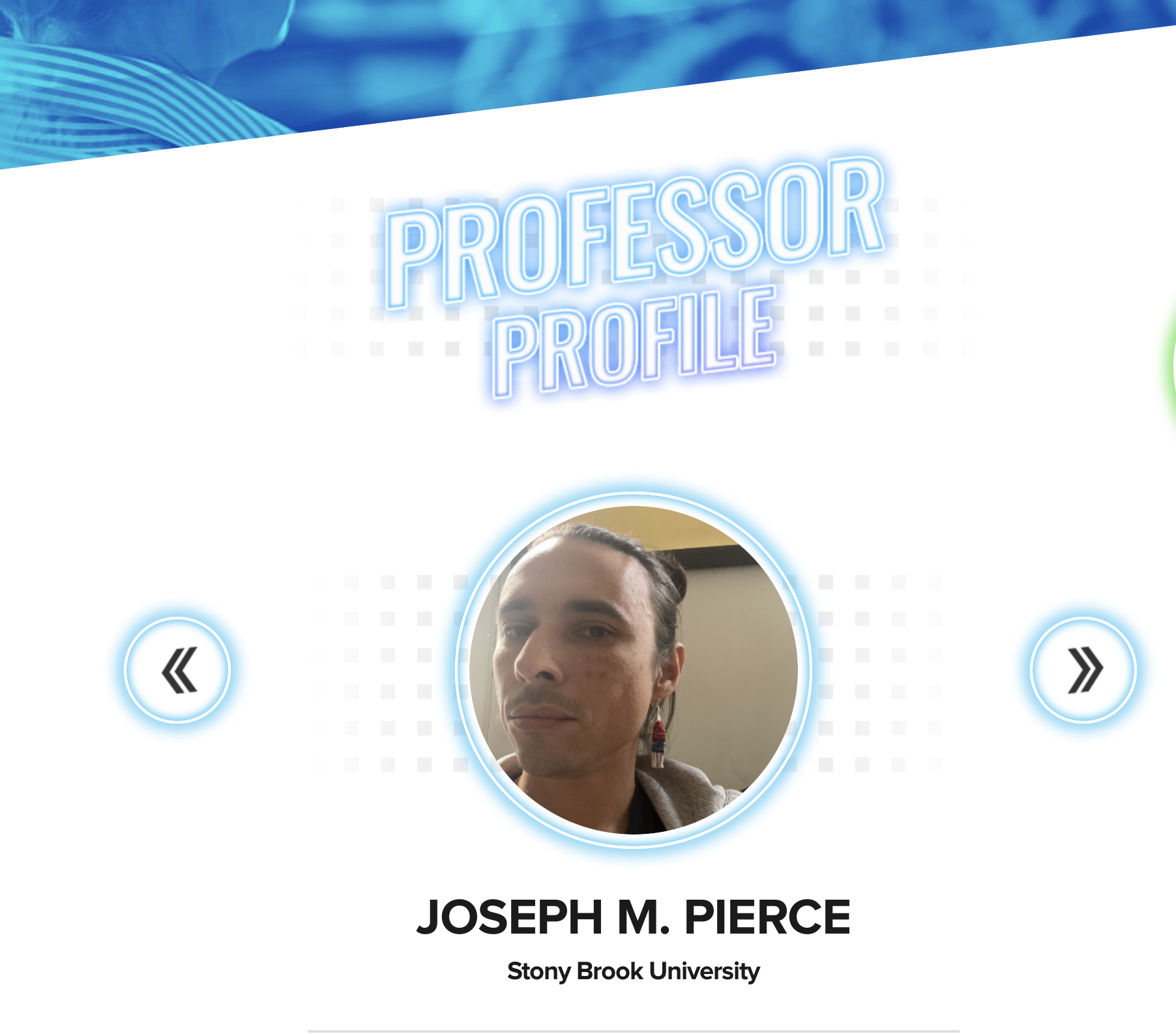
(Image credit: The Fucking Professor Watchlist)
For those of you who don’t know, the Professor Watchlist is a compilation of supposedly radical professors maintained by Turning Point USA, a right wing organization aimed at training the next generation of conservative politicians and activists. It is a youth organization that has spread across university campuses over the past several years, and part of its spread includes documenting what it claims are acts of discrimination against conservative students.
I am being generous with this description, I know. Essentially it is a surveillance network meant to intimidate faculty into not teaching about controversial topics like race, racism, gender, trans identities and politics, colonialism, white supremacy, etc. You get the picture. It was a bit more buzz-worthy when it first started in 2016, with numerous articles and thoughtful engagements by faculty targeted by the list, as well as creative responses like trying to encourage thousands of faculty members to voluntarily sign up for the list, thus exposing its hypocrisy.
Here are a couple quotes from their website:
The mission of Professor Watchlist is to expose and document college professors who discriminate against conservative students and advance leftist propaganda in the classroom.
Professor Watchlist is a carefully aggregated list sourced by published news stories detailing instances of radical behavior among college professors.
Note the use of the adverb “carefully” meant to ward off critique from the outset. Carefully aggregated. Carefully sourced. And to bolster this claim of objectivity, the site claims only to source information from “published news stories,” presumably those detailing some sort of controversy. It does not indicate where those stories were published, or how such stories are vetted. Simply that they are published. But I digress.
On the website’s “About Us” section we find a bit more detail:
The project is comprised of published news stories detailing instances of bias, propaganda, or speech infringement on college campuses. While we accept tips for new additions to the list, we only publish profiles on incidents that have been reported and published via a credible source.
They claim to only create faculty profiles based on a “credible source,” again, with no indication of what that means. Simply that it is. But we also see how they broaden the scope to include “propaganda” or “speech infringement”. I won’t comment on these other than to say that it is not clear what counts as propaganda or speech infringement, only that they are doing the counting.
When I went to the profile they created for me, I halfway expected to see some disgruntled accusation from a student, a tweet taken out of context, or something blatantly false. But what they have reported is neither false, nor out of context.
They draw on two sources. The first is actually an academic article that I wrote about adoption, and the second is a short essay I wrote for a panel about Black Lives Matter held at Stony Brook (virtually) in 2020, which I presented as a video (below).
Now, what I find interesting about this situation is that nothing of what Turning Point has cited from my work is about me. It does not refer to anything I said in the classroom. It is not about what I believe or what political views I have. It is not about an “incident”. It is not sourced from a news outlet, credible or not. In short, it is not about anything I did.
So what is it about?
This is what scares me. If it is not about anything that I have said or done, or even really about what my scholarship is about—they cite my work but don’t provide any commentary or opinion about it—then it seems more likely that it is about me, about who I am as a person. If it is not about my work, and it is not about what I did, or what I said, or what I wrote, then it has to be about me. About my body. About who I am in this world.
I am the only Indigenous faculty member at my institution. The only one. And it is not lost on me that now I am also the only faculty member at my institution to appear on the Professor Watchlist. And I could understand it if I had somehow been embroiled in controversy. But I’m not. I haven’t even been on campus at all this semester.
I have thought about what being on this list means (as opposed to, say, that other list, lol), and I am really at a loss. I know I shouldn’t be discouraged. That I should take heart in the fact that my work is good and it matters. That this list does not in fact reflect on who I am as a person, even though it very much looks like it does. I know I should have thick skin about it and say that I am proud to be on this list. But that is only a response to the shame that the list is meant to induce. And I feel that shame. I feel what the list is meant to do to me. I do. And then, only then, can I reject it as the fantasy of right wing politics. But in this sense the list has done its job: it has made me feel less secure. Less sure about stepping into the classroom in the spring. Less sure that that space will be safe to express what I really think, and not just about controversial topics, but about anything. It is chilling.
I know people have received death threats and intimidating letters after being added to this list. And now, I wonder if I’ll get hate mail. Just wondering that is disheartening. Scary. That we live in a world where I would think that perhaps there is a piece of hate mail waiting for me when I get back to campus in January. What a world. What a time. Or that I’ll get some random person writing me (which has happened in the past) with some conspiracy theory about Indians and warfare or some such nonsense.
What am I doing? I’m writing this. I’m processing. I’m publishing this to get it out of my system. I’m caring.
When I think about what people who have actually read my work, who have actually taken my classes, actually say to me, it is always positive. I have won awards for both. I have been thanked by people who have felt seen, heard. And I think that is what I need in this moment, to be seen and heard in this pain of knowing that my body is a threat in this colonial world.
But that is the reality of living as an Indian in this world, writing, teaching, breathing. Feeling.