NDN Bits and Pieces
Water, Land acknowledgments, Photographs, and More
It has been a busy week for Native things, so I wanted to share a few links to some work that just came out.
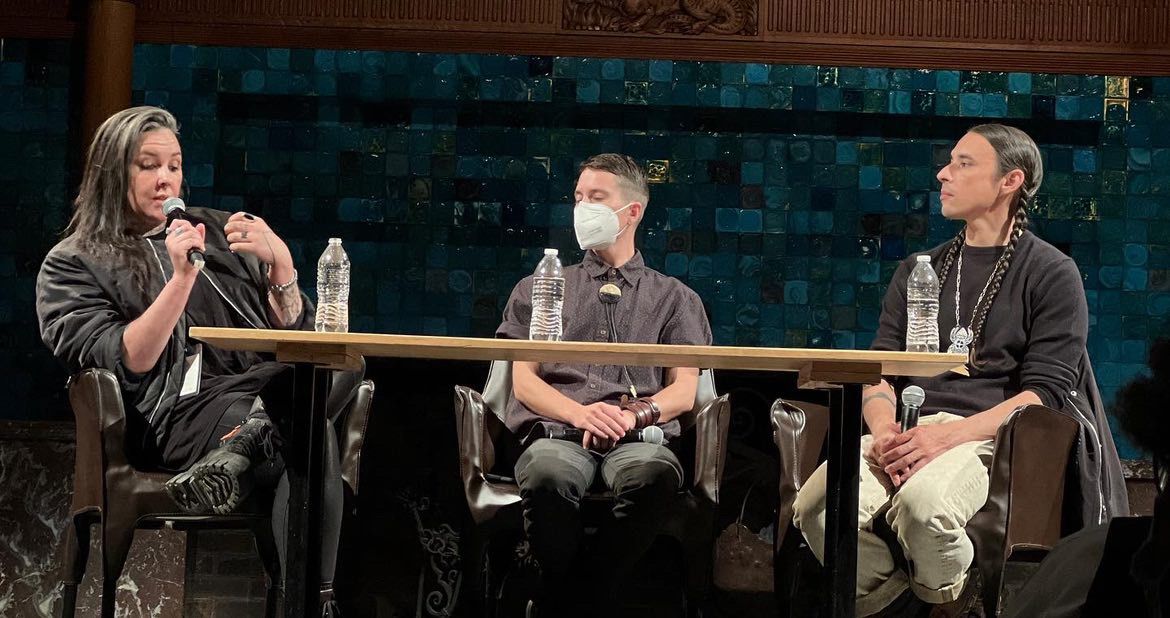
On Sunday, I had the great fortune to sit on a panel with my dear dear kin, SJ Norman and devynn emory, for a symposium at the Park Avenue Armory (curated by the inimitable Tavia Nyong’o).
(Photo credit: Collette Denali Montoya)
The University of Minnesota Press just released a podcast conversation between Sarah Biscarra Dilly and me in which we discuss our contributions to the edited volume Allotment Stories. We were both very open and honest about our various forms of location/dislocation. This was a very healing conversation for me.
I wrote an op-ed for Hyperallergic about land acknowledgments. Basically, the argument is that they’re not enough. But I want to add here that institutions so often want an answer to the question: what do we do now? And I want to encourage me, us, to refuse to answer that question. There isn’t a decolonial check-list, but a series of relational engagements, a praxis. I know it is hard sometimes to read a piece that says “no” rather than “this is how you do it,” but settlers have to do things differently, and if they keep thinking that they can follow a prescriptive list of tasks, they haven’t been paying attention.
Strange Fire collective published an interview with me on Thursday. It was the first time I have done a written interview in a while. I tried to keep it rather first draft-y, as if spoken, but I did go back and make sure it made sense (sort of). One thing I talk about there is my new book, which I am tentatively calling Speculative Relations. Thanks to Rafael Soldi for the opportunity to think through this. The question of what I am trying to do in that work helped me clarify a couple things that I also want to share here:
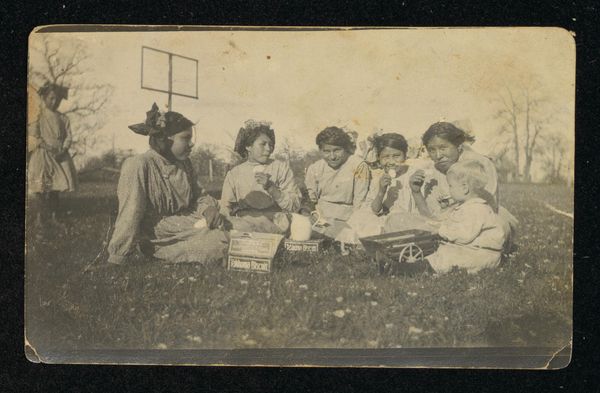
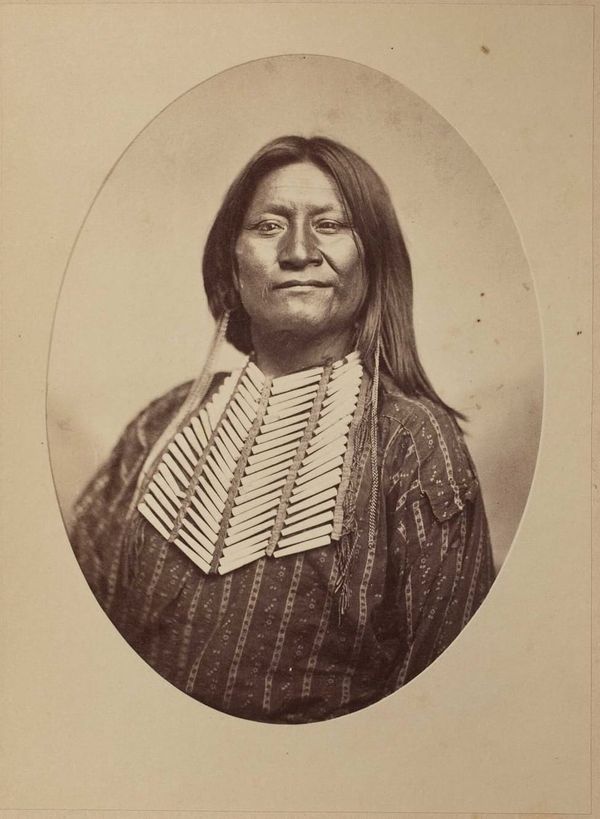
I want to imagine ways of seeing photographs of Indigenous people not for what is plainly captured—their bodies—but rather for what lingers, haunting, in those images. So, for example, the work of Edward Curtis, Frederick Monsen, or other quasi-ethnographic photographers aims to document Indigenous communities for posterity. Fuck that. There must be ways of making present, alive, those people for whom the photograph serves as a moment of historicizing stultification. I want to resist that historical impulse, that past-making, by speculating about other forms of engaging with—relating to—those subjects. This is an Indigenous methodology, this is kinstillatory, this is enacting good relations. But it requires looking at photographs differently. It requires relating to—rather than gazing upon—them.
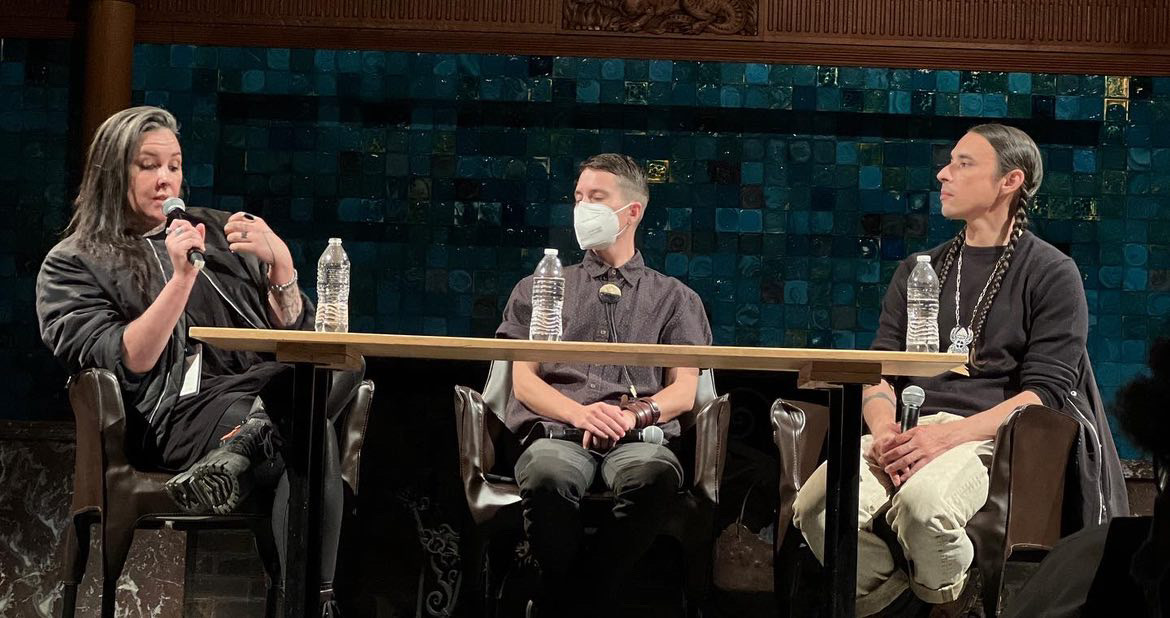
Finally, I was in Maine at Colby College last week, giving a talk about naked Indians. It went well, and I got to meet lots of really warm and engaging people. Here is a photograph from that visit.
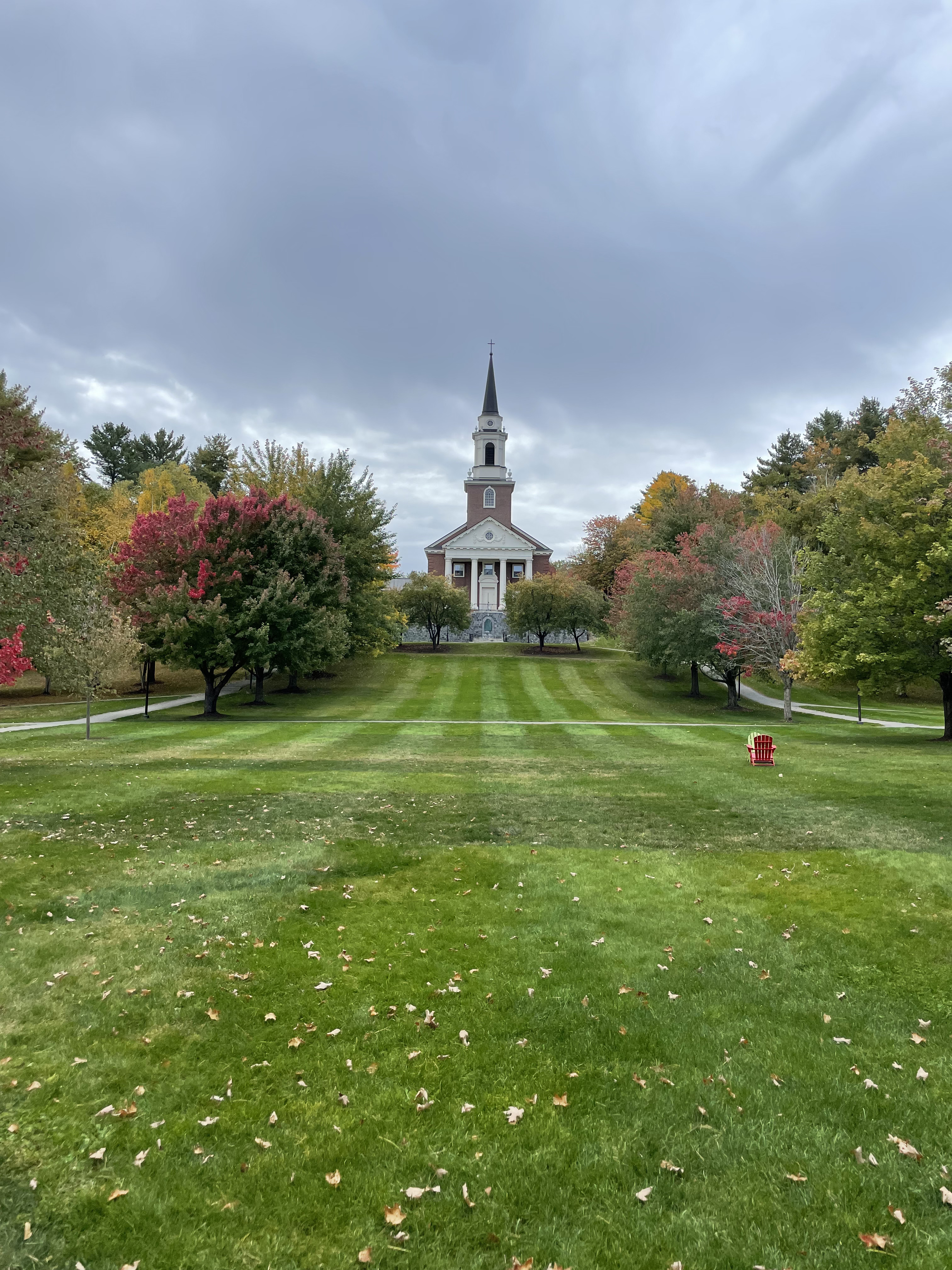
(Photo Credit: Joseph M. Pierce)