Queer Kinship
New Publication Out, and a Thought on Kinstillations
Writing is how I make sense of the world. Sometimes that writing takes multiple iterations, time, and pushing the arguments, the form, into something that alights. Writing about queer kinship has been like that for me. In a sense, everything that I have ever written is about how I/we inhabit relations, even when I did not know that that was what I was doing. It is the connective tissue to my work.
I have a new essay out in the edited volume Queer Kinship: Race, Sex, Belonging, Form (Duke UP 2022). The collection was expertly and carefully organized by Elizabeth Freeman and Tyler Bradway, and I can’t thank them enough for the care with which they carried out the task. Editing a book is hard. And they managed to make the whole process feel purposeful and deliberate. I felt held all the way through.
You can order the collection with a 30% off coupon (SAVE30) on Duke UP’s website.
My chapter is called “In Good Relations: Native Adoption, Kinstillations, and the Grounding of Memory,” and it is the most developed version of my thinking about what it means to make kin in these times. Having this essay come out now is particularly meaningful, when pandemics, plagues, and catastrophes seem to fix relations. We seem sedimented, buried. But queer kinship!
In my mind, this is the fourth installation in a series about adoption and Indigenous belonging. (Forgive the numbering, but the paragraph got too long.)
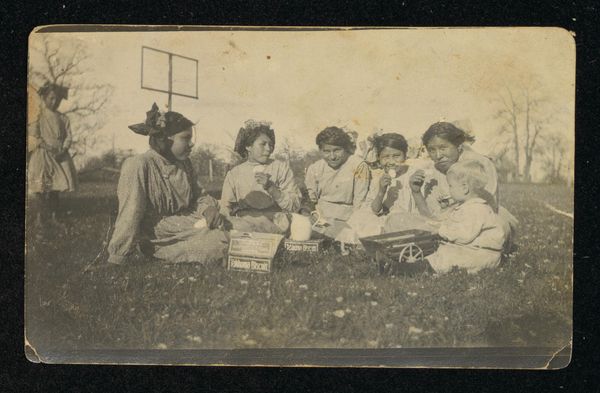
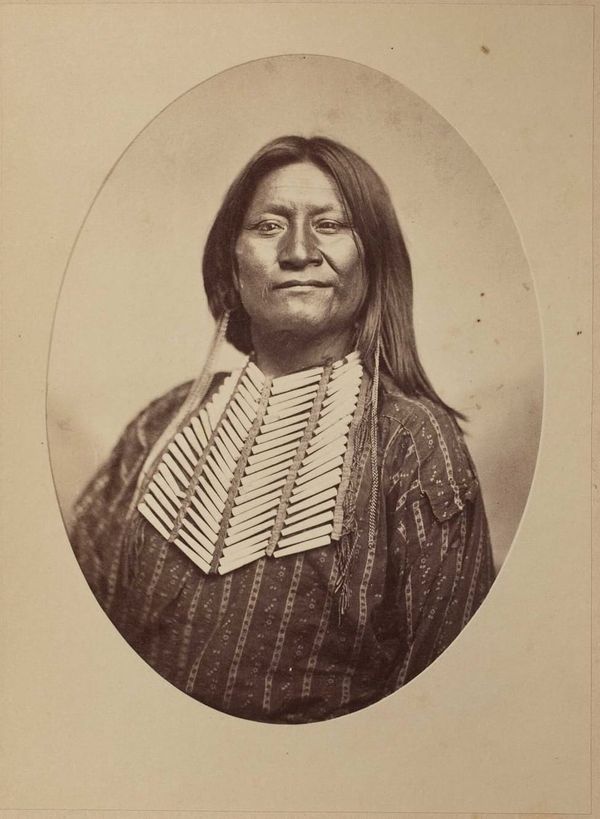
- The first was a short piece that I originally wrote for my personal website/blog in 2015, when the Rachel Dolezal and Andrea Smith stories were first taking off. That was republished on Indian Country Today and it was the first time I really positioned myself with regard to ethnic fraud and cultural appropriation. I remember feeling so nervous when this came out—feeling like people were going to laugh at me for even trying to discuss what it meant to be Cherokee as someone for whom that was seemingly impossible. But I also remember so many people writing to thank me for expressing something that they felt, or that they wanted to have felt, but didn’t have the words to express. It seems so long ago.
- The second was the article “Adopted: Trace, Blood, and Native Authenticity,” which came out in Critical Ethnic Studies in 2017 (if you don’t have institutional access, you can download here). In that work I tried to theorize some of the narrative im/possibilities of authenticity for adoptees and children of adoptees, in the context of settler colonial demands for Indigenous legibility. This was my way of converting the personal story into something a bit more academic, which was also a way to shore up my own position as an Indigenous scholar. (previously all my work had been in Latin American studies).
- The third was a book chapter that came out in 2021 as part of Allotment Stories: Indigenous Land Relations under Settler Siege (University of Minnesota Press), edited by Daniel Heath Justice and Jean O’Brien. That chapter is titled “Allotment Speculations: The Emergence of Land Memory,” and it discusses the connection between the distribution of land (allotment) and the distribution of children (adoption) by way of my own family history. Though this chapter came out last year, most of it was written after the “In Good Relations” chapter that just came out. Daniel and Jeani were also truly kind and amazing editors. Wado to them, also.
- Finally, “In Good Relations” is what I imagine as the fullest expression so far of my thinking on kinship under the constraints of settler colonialism, particularly as it relates to adoption and the dismantling of Indigenous forms of relationality. It has been a long time coming. I think I started writing this text in 2019, when I first met Karyn Recollet. Karyn’s work changed how I understood not just scholarship, but myself. My capacity for writing as a person who has experiential knowledge of the ruptures of colonialism. I want to thank Karyn for being such a brilliant and supportive colleague. I also want to thank Emily Johnson, whose kinstillatory fires at Abron’s Arts Center have helped me see/experience the enactment of making kin across the breach of land and sky (human and tree and water).
The point of all this, I think, is that sometimes writing shapes itself along the contours of your own life. At least that is what I have found in this case. Writing this chapter has opened up new ways of thinking for me. And in fact, my next book project takes this chapter as its point of departure, its spine—maybe a more appropriate metaphor would be its trunk. The Pine Tree makes an important intervention in the chapter, you’ll see.
I’m not saying I’m done writing about adoption and kinship, but I feel like I have made a mark in this area. Hopefully, and I really mean hopefully, there is something in this work that helps other queer/Indigenous/adoptees/children of adoptees, make sense of their own worlds. In fact, the Indian Child Welfare Act is will be debated soon in the Supreme Court (yes, Jesus fucking Christ), and so much is at stake. I don’t know if this work helps, but I hope it does.
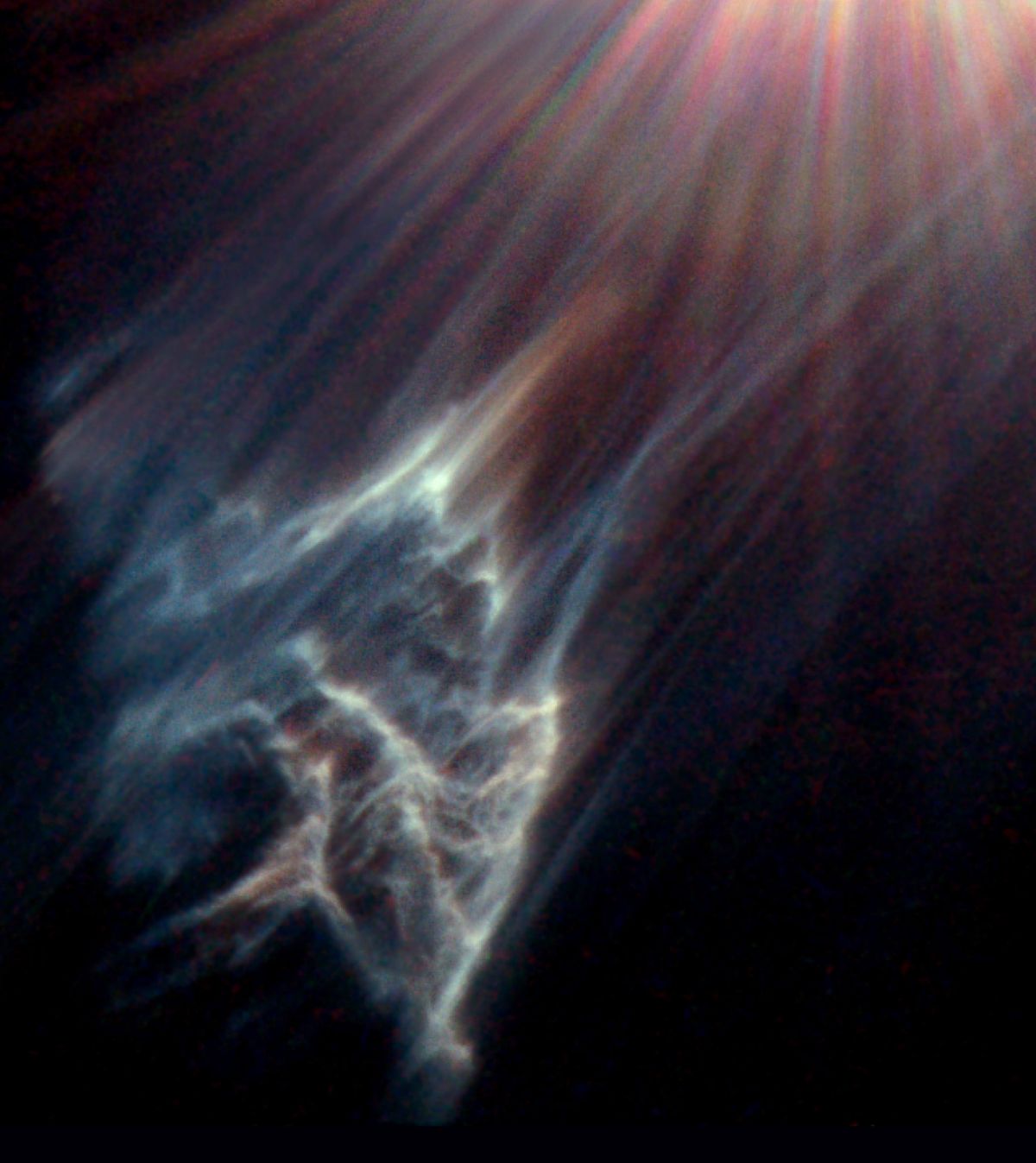
In closing, and for the algorithm, a picture of the Pleiades, brothers spiraling, making kin, longing to become whole again.
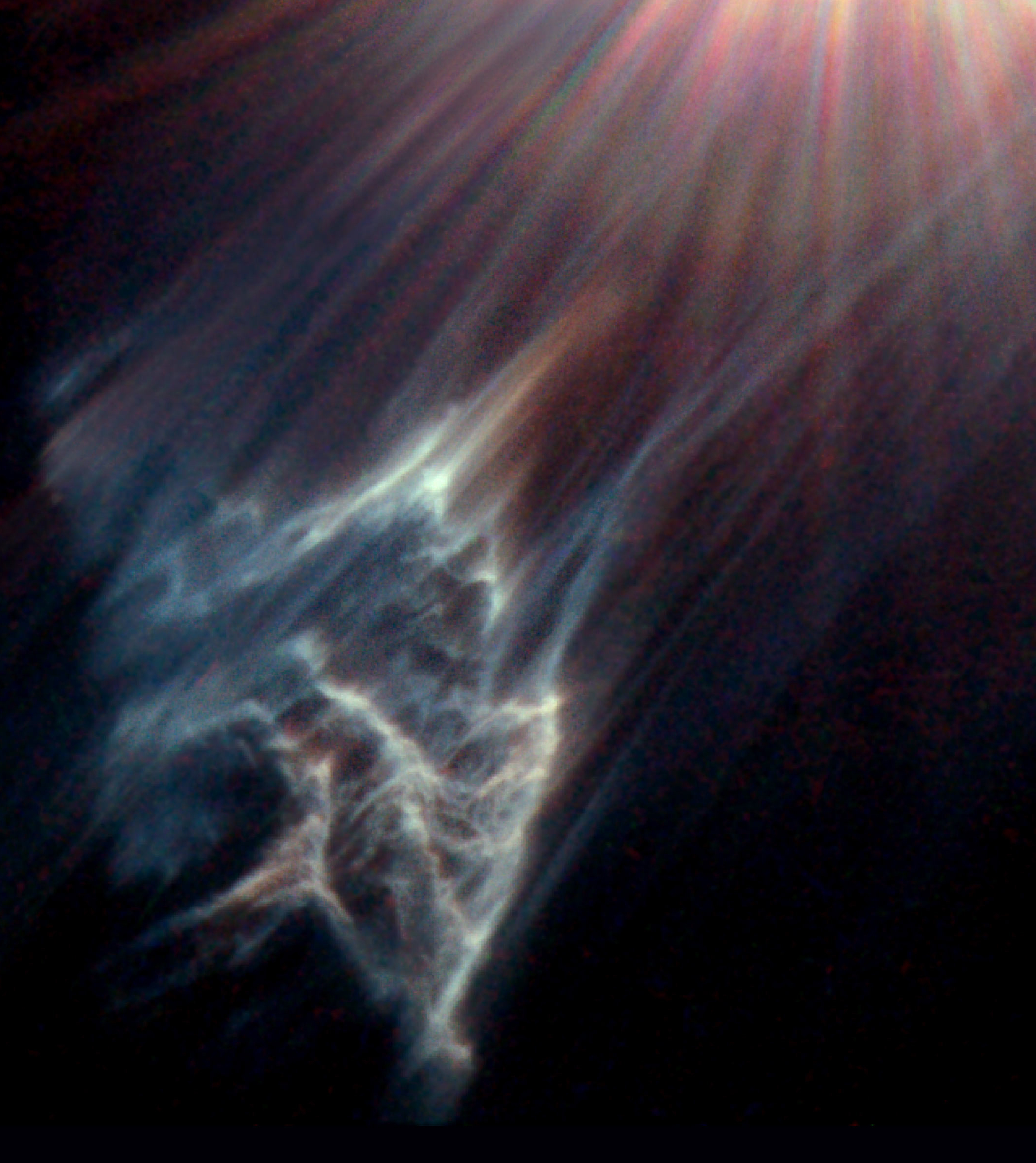
NASA and the Hubble Heritage Team (STScI/AURA); Acknowledgment: George Herbig and Theodore Simon (Institute for Astronomy, University of Hawaii)