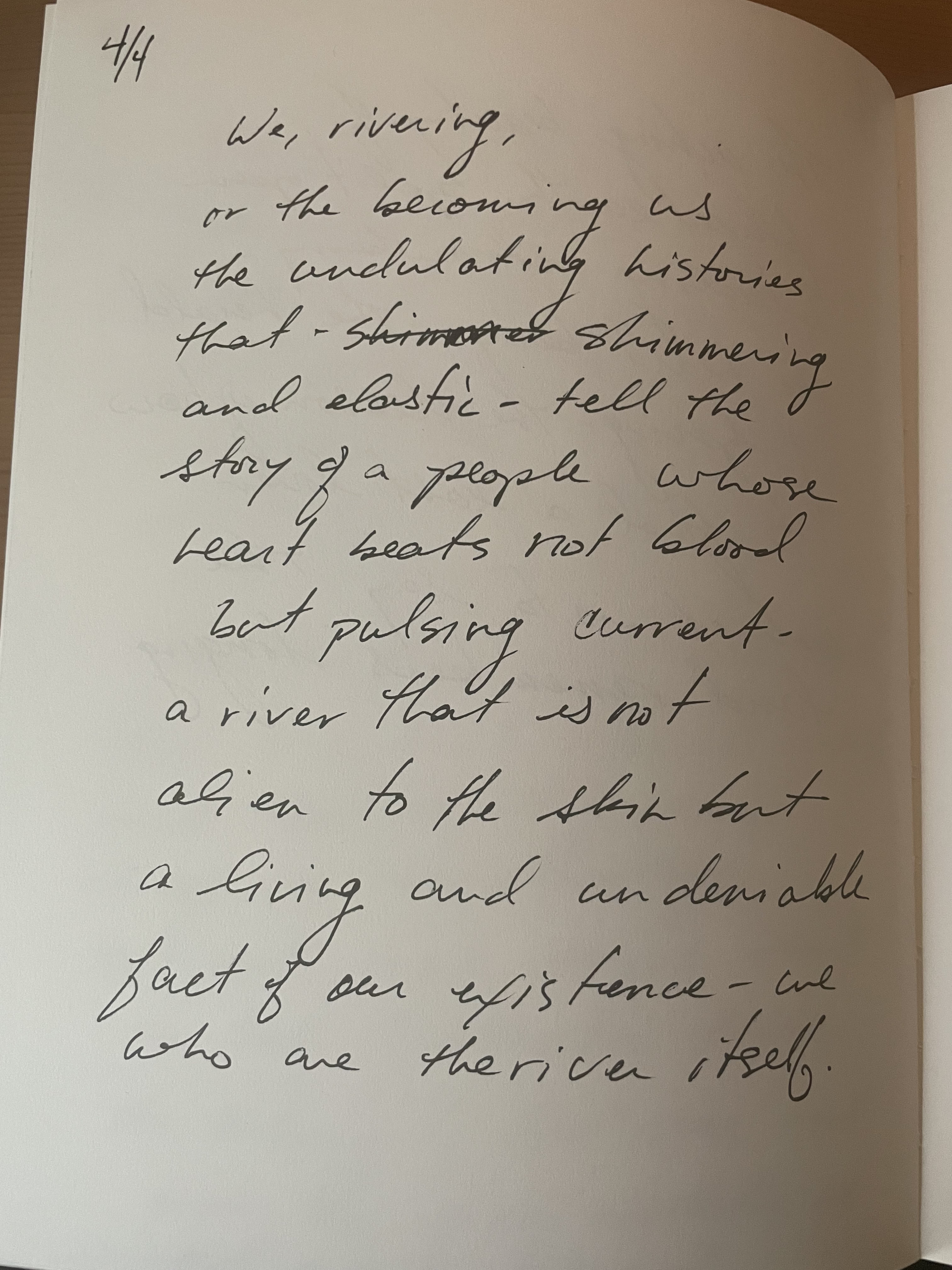
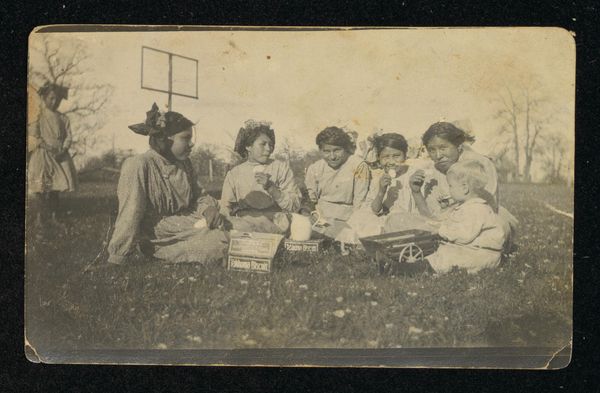
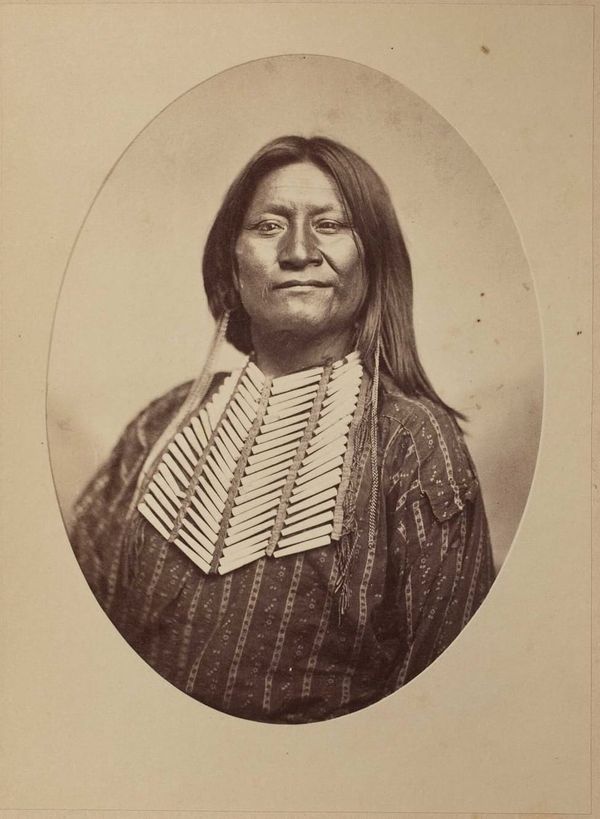
Speculative Relations
4 Month Countdown (I promise I won't bombard you)
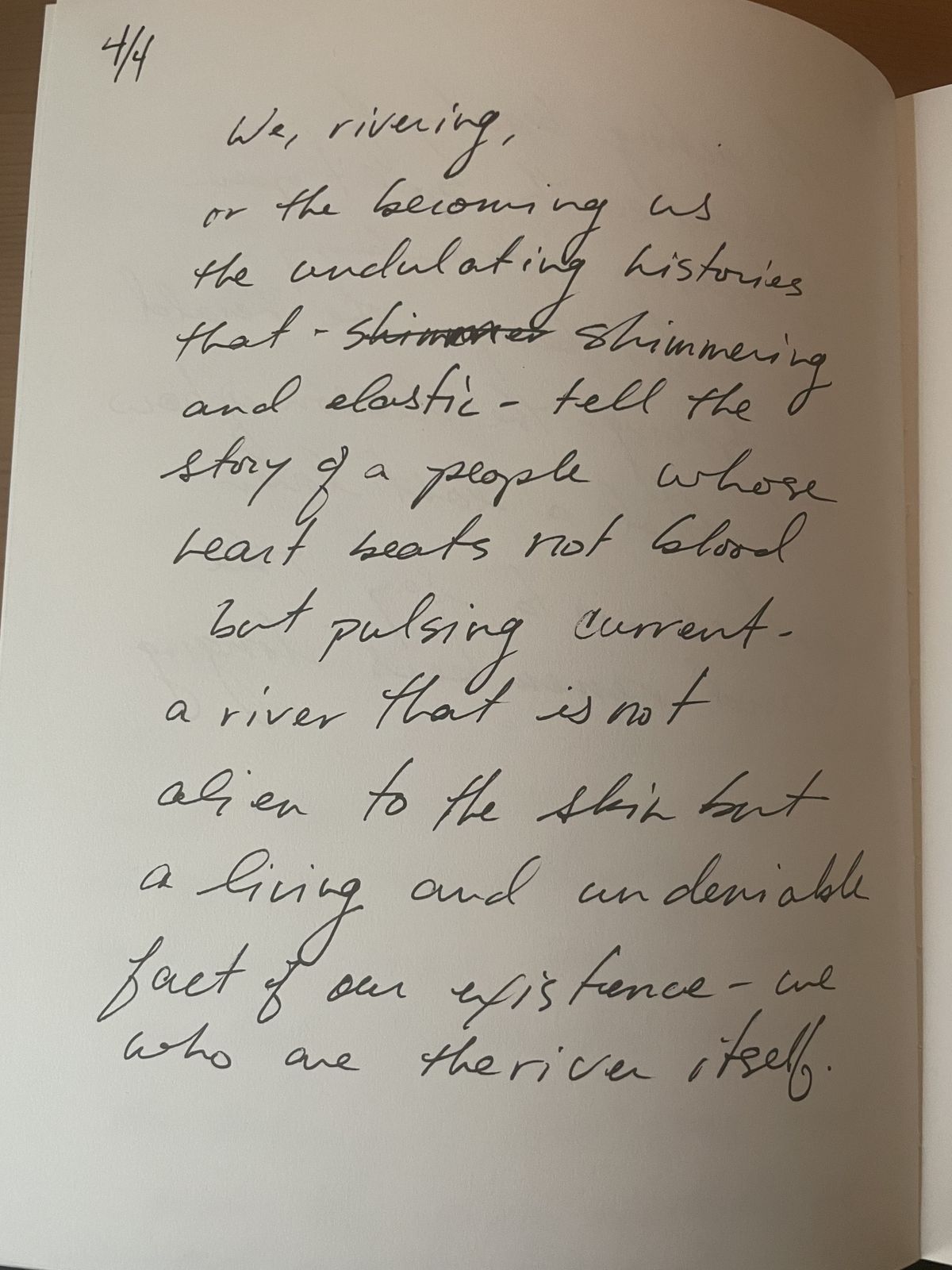
I’m going to try to not send to many emails about Speculative Relations. I don’t want to be that guy. But please pre-order, here! And don’t forget there is a 30% off CODE: E25JMPRC
But I was thinking, today, April 29 marks the 4 month countdown. A quarter of a year.
I’m going to try to limit myself to one post per month until then. A monthly countdown. For this one, I thought could invite questions. If you have questions about the book, want to know more, want to know anything about it or how it came to be or what you can expect, feel free to comment below or send me via email. I’ll collect those and respond next month.
I’ll start:
As I was writing the book this is the main question I kept coming back to: How can I approach art and culture through a relational methodology? What would that look like? How does one ‘see’ things relationally?
One of the answers to that question gave rise to the notion of ‘speculation’ that I develop throughout the book. In a sense the term speculation became my way of signaling not just how to see—because I don’t want to prescribe how we see things, and also it isn’t just about sight—but how we sense, relate, vibrate, connect, to the bodies that populate our worlds.
And speculation, I want to clarify (and I do this in the book) refers back to its Greek etymology (and later Latin and Romance languages and English) that holds within it both ‘sight’ and ‘insight’. That is, both how we look out toward a horizon (to behold, to gaze upon) and to look inward, as in a mirror (to contemplate, to reflect). Reflection itself is a term that holds some of this double meaning. Speculation became a term that I wanted to use because it was not just about sight, but also thinking about and feeling and sensing one’s place in relation to other bodies (ideas, things, histories, works of art, people, ancestors, more-than-human kin).
The question I wanted to answer didn’t come with a straightforward answer. It was more like: because Indigenous methodologies are practical, that is, they are about doing things, rather than simply theorizing, then my own approach in this book has to be grounded in the doing—it has to bring to the fore how we practice ‘looking’ (sensing, feeling, being with) in a way that allows for the speculative possibilities and potentials of culture, art, memory, and story, to flourish.
In other words, I knew that I had to focus the methodology though a lens/heuristic that would allow me not to prescribe meaning, but question how meaning seems to become foreclosed by canonical (western) knowledge precisely because of its singular (and thus inevitably white, cis, hetero, western, patriarchal) vantage point.
In/sight, that is (though I don’t use that post-structuralist word wrangling) became a way to think critically about how to speculate with works, rather than on them, rather than about them.