The land acknowledgment that never ends
After Brian Fuata (with love)
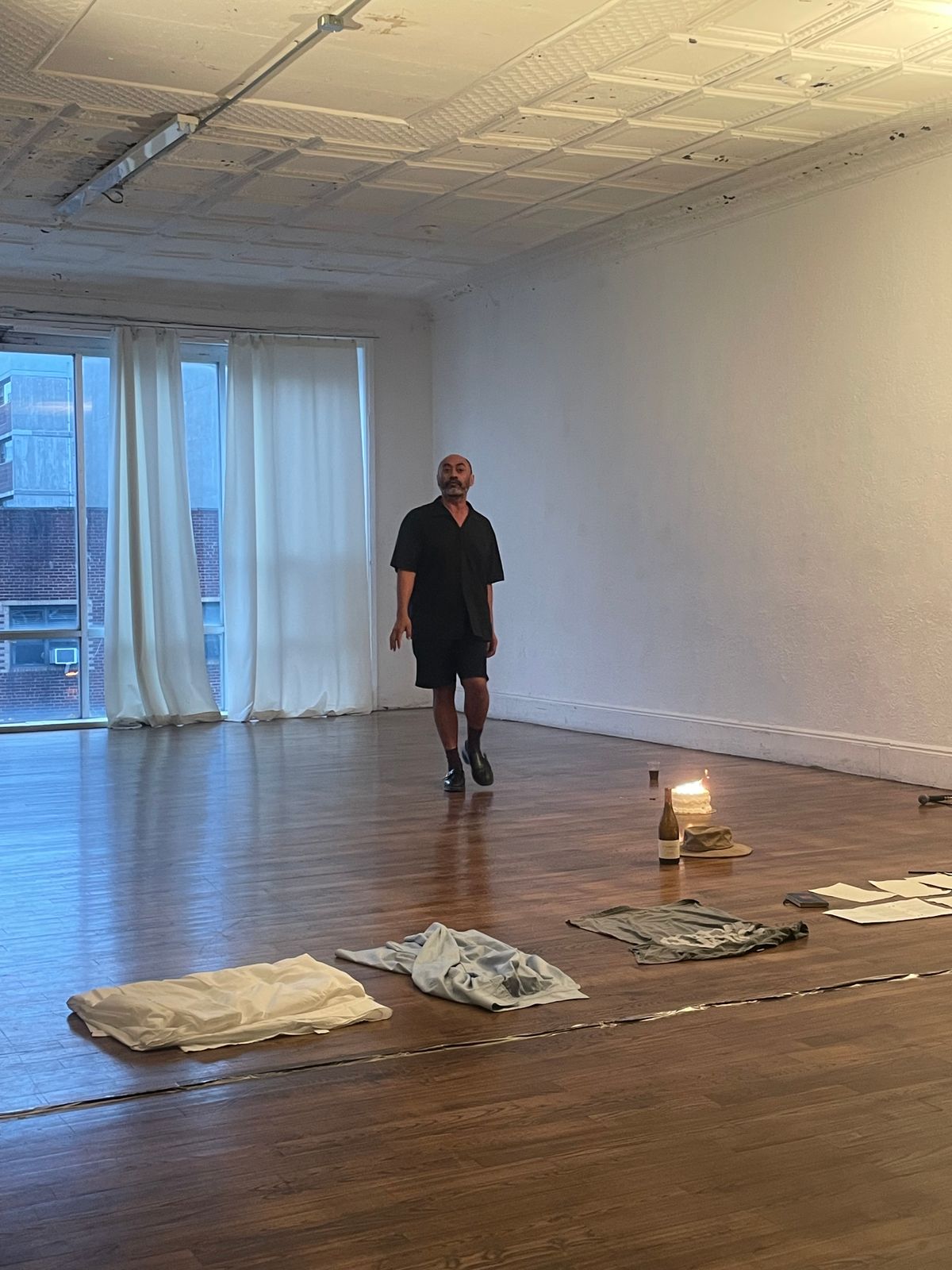
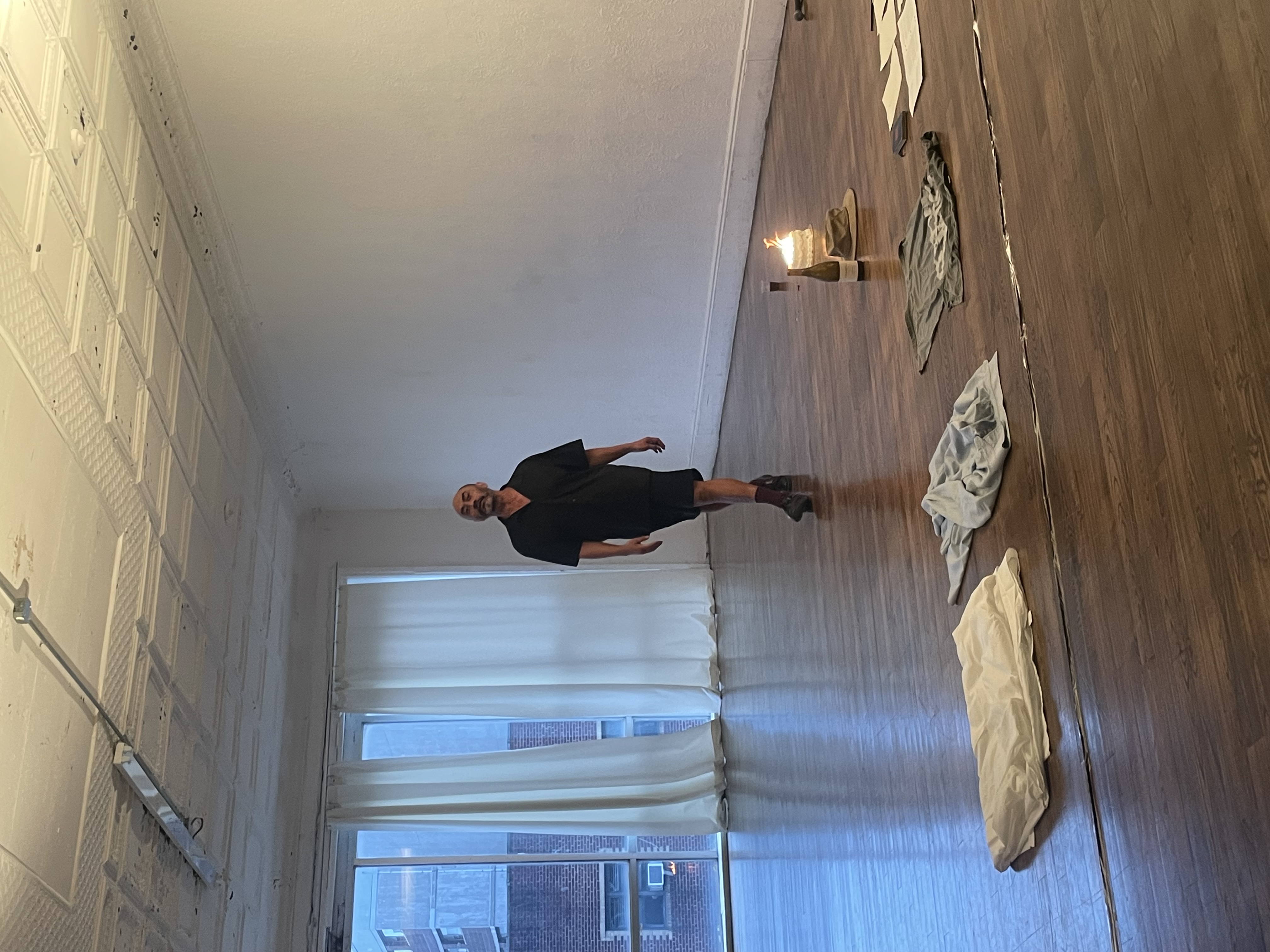
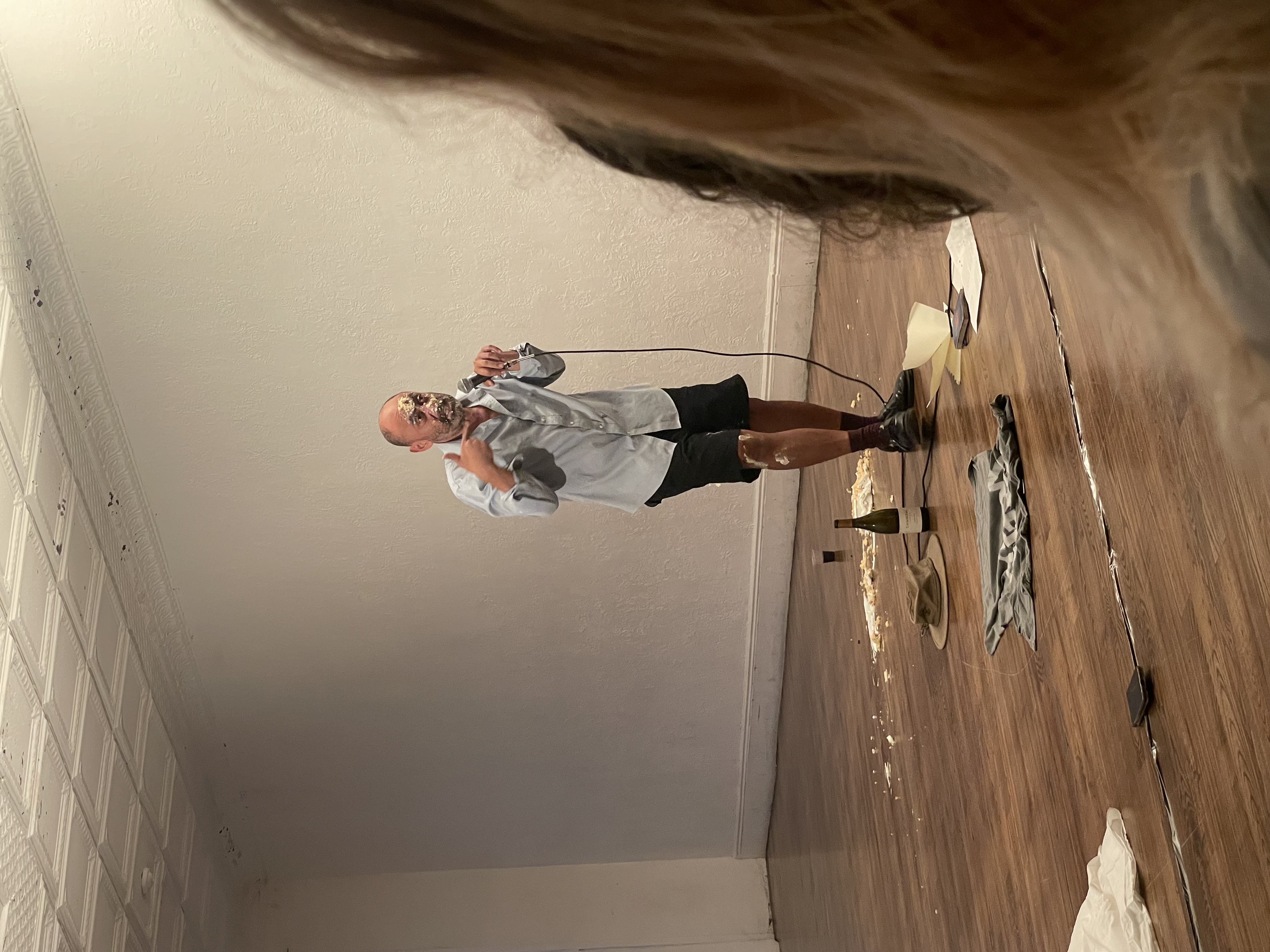
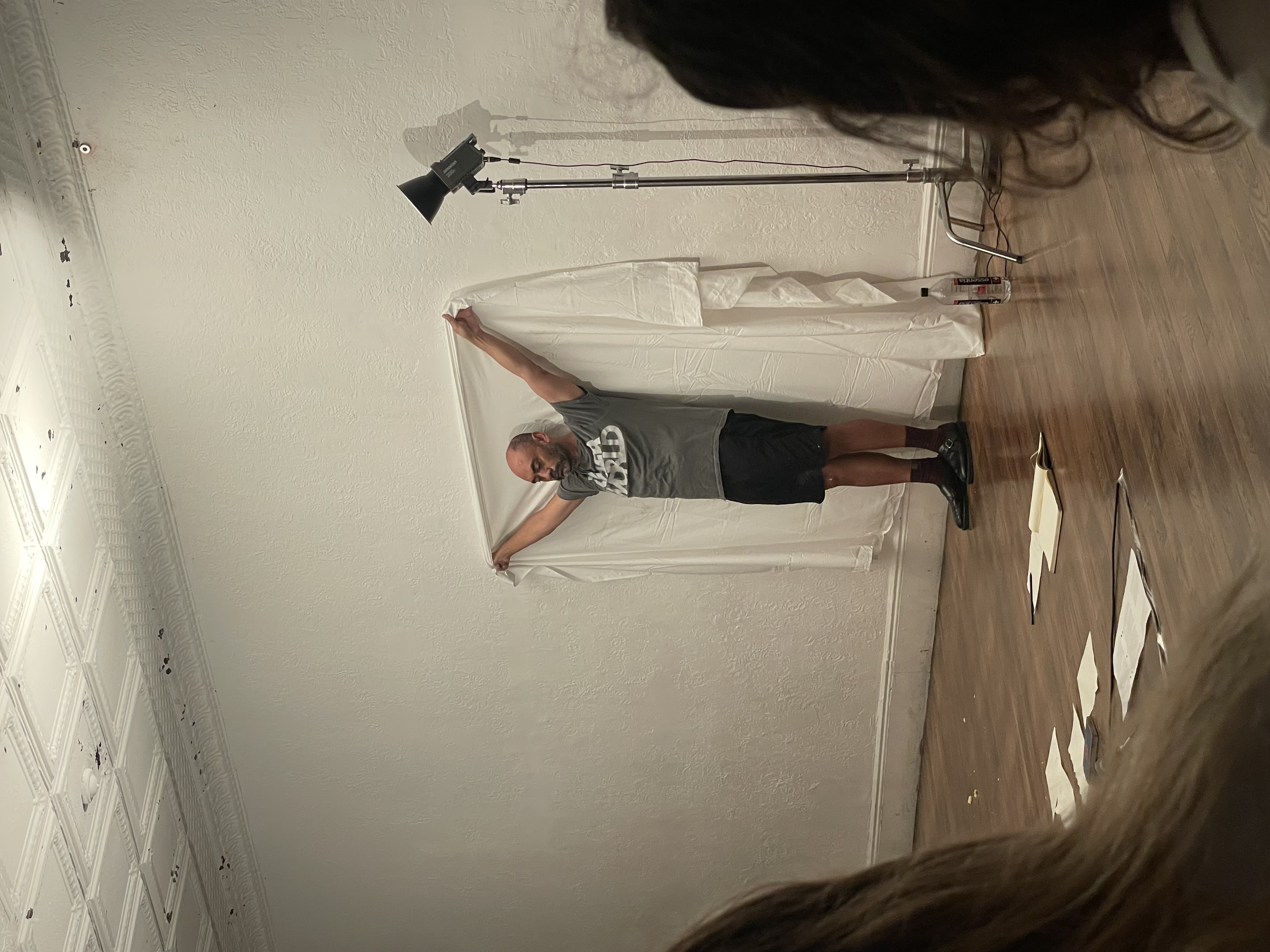
I went to see the dazzling Sāmoan performance artist, Brian Fuata, on Saturday. We first met in Sydney in 2020, just before the COVID crackdown. Brian is one of the most kind people I know. And fierce. And brilliant. And it was also his birthday!
His performance practice relies on improvisation and repetition. A kind of kinetic freedom and a shimmering play of words on skin. I am not going to write a review, so much as share the notes I wrote to myself on the train ride home, in the form of if/then statements (I’ll be doing more of these in the coming weeks). But one detail: Brian started to give what in Australia they call an acknowledgment of country. It is kind of like a land acknowledgment, but not as performative—so to perform it was interesting. But the thing is…he started it and then never really ended it.
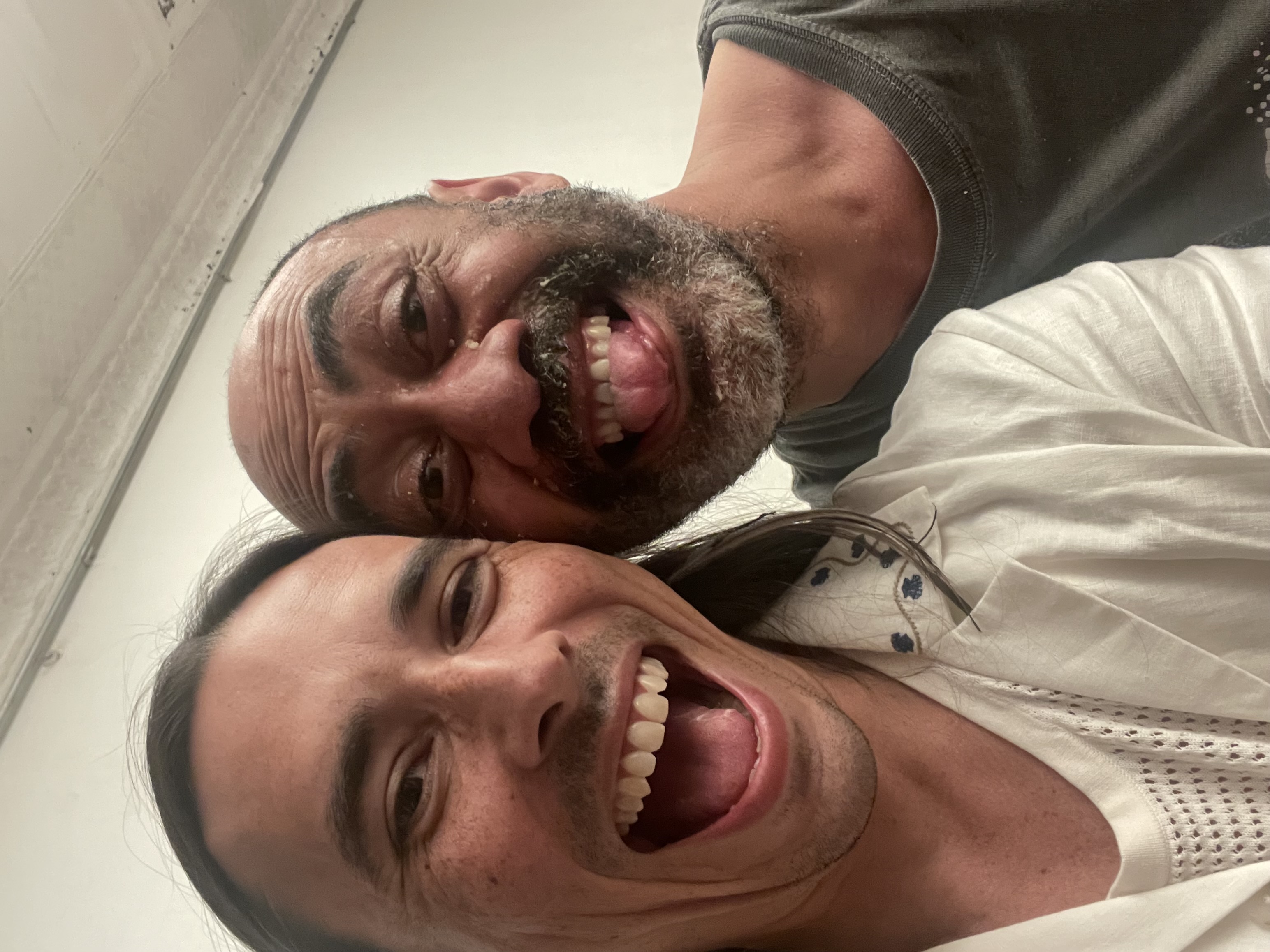
At the end of the hourlong engagement, I went up to him. Hugged him, and said: “I loved that it was all an acknowledgment of country.” He smiled. OF COURSE, he said. EXACTLY.
If the land is the body, then a land acknowledgment is a body acknowledgment.
And if a land acknowledgment is a body acknowledgment, then the body—in its materiality, or perhaps its bodily being, its bodiness (is there a better way to say the body as it is but also as it could be?), its bodyingness—is an ongoing belonging to both itself and itself as it exists in relation.
If a body acknowledgment is a relational pursuit, then it is not an anchoring (necessarily), but a potential.
If a body is a potential, or else a possibility, then it is forever. But not forever, like, when people say: “we’re going to last forever.” Not like that, but it the way that matter does not disappear/.
In other words, if a body is the land, then it never ends.
If a possibility is limitless, then the limits are the body, and also more than the body.
If a body is also a potential, then it is the forging of matter as it is and as it could be, as it once was and as it has always been.