"Your Genetics are Different"
A new one for me
I was out of town with my husband last weekend. Both of us needed some sunshine and a change of scenery.
On Friday night we went to a club. Mind you, neither of us goes out very much. But we were on vacation. We danced. We watched the people. It was really nice.
We strike up a conversation with some people sitting in an interior courtyard. They say they are from Paraguay. Do you know it?
“He knows it,” my husband says, nodding at me, ”he’s a professor of Spanish.”
They seem shocked. As if the surprise that anyone would know about Paraguay, or teach Spanish, was too much for them.
I shift from English to Spanish—with my Argentine accent that always confuses people.
“Oh are you from Argentina?” one of them asks.
“No, but I used to live there,” I reply.
“Oh, but are you from Argentina?”
“No, I am not. I just speak like this because I used to live there.”
“But where are you from?” (Now we’re getting somewhere. I have seen this movie a hundred times.)
“I grew up in Texas.”
(A gesture of recoil. The room is loud. The light is dim. But I can feel it coming…)
“¿Pero de dónde eres? Tienes una genética diferente.” (Your genetics are different/you have different genetics, where are you from?)
“Tienes una genética diferente” is actually a first for me.
I have heard: “But where are your parents from?” “But where are you really from?” “But what is your ethnicity?”
And yet, the technical framing of my body in terms of its ‘genetics’ was something I hadn’t been confronted with in such a direct way.
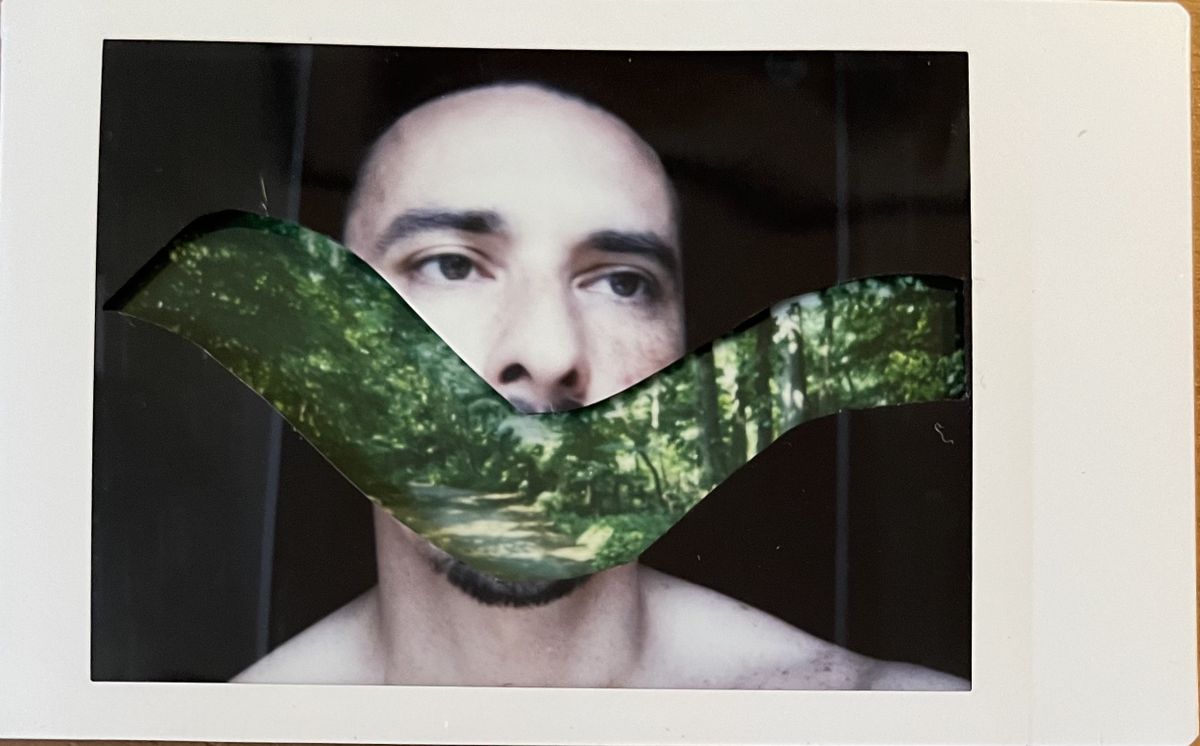
I have had many iterations of this conversation before. My body is not always legible to people. I have this brown skin, these freckles, this long hair. I have these almond eyes. This pointy nose. The way I am put together can be confusing to people who don’t know my story, especially when I start to speak Spanish, and then have to clarify why I speak Spanish.
Explain yourself to me, you who has these different genetics. Different how? Different from who?
The question is not a question. That’s what I can’t get over. It was not phrased as if this person had doubts about my story, but rather that in his view, in his mind, I did indeed have a different body, a different genetics, and that difference was taken for granted, as a prelude to asking, again, where I was from. You are different than me, he implies, but I am not sure how. The difference is not satisfied by story or culture, not even race, but “genetics”.
The framing of my body as not like theirs is the point of departure for the question, it is not the question, but what is taken for granted.
“Soy indígena” (I’m Indigenous), I said. From here.
And one of them, seated, wants to clarify, “como Native American,” he says, switching to English.
Yes, like that.
Yes, like that. But does he know what that means? Obviously not. A second later he is saying: I had my DNA test done, and it said I have 14 percent Indigenous.
Your genetics are different…
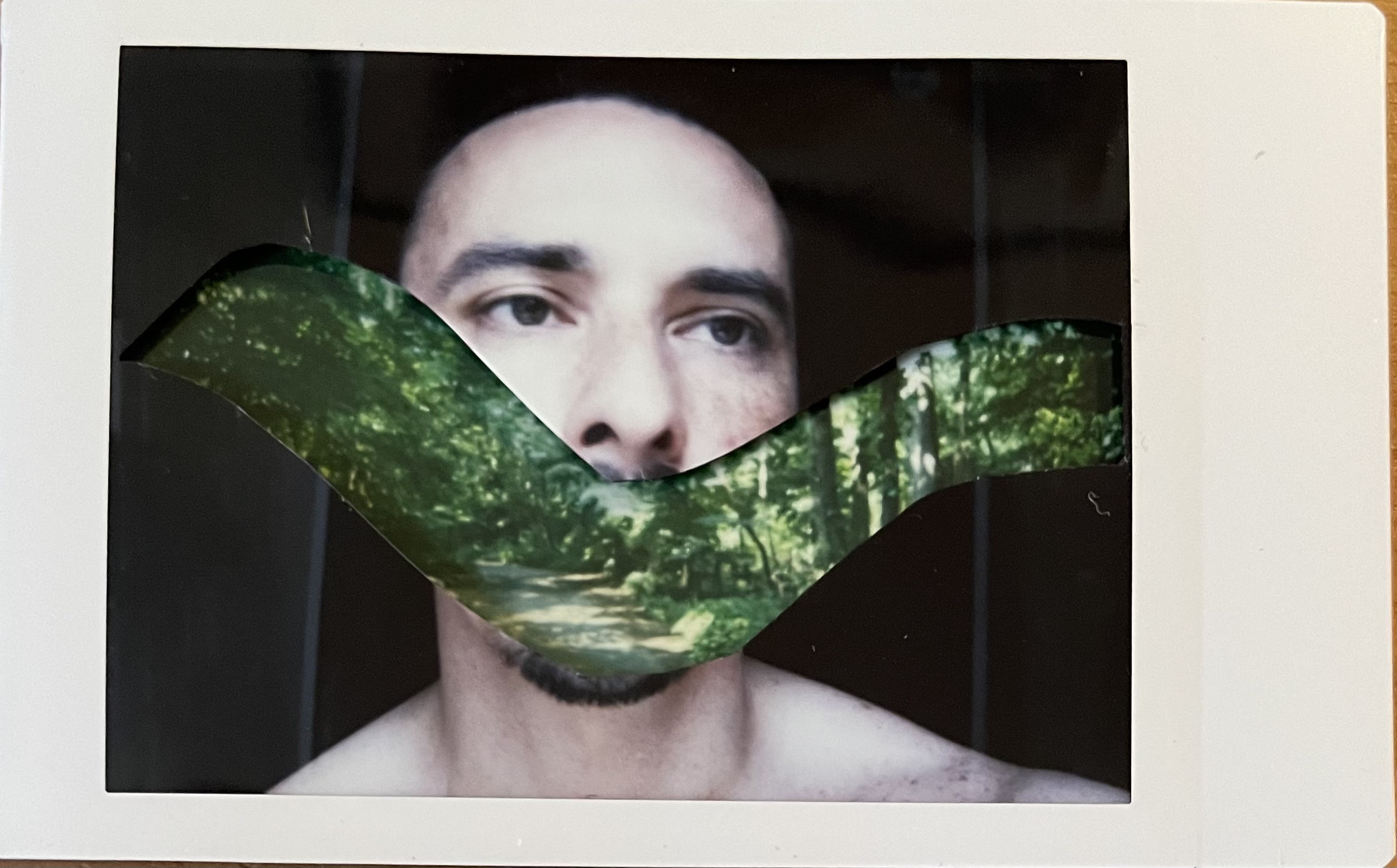
It’s neither the time nor the place (on vacation at a bar) to be discussing why DNA testing is fucked, meaningless, and extractive. Or why the problem with the framing of my embodied difference in terms of ‘genetics’ removes my ability to speak on my own.
So I nod. I nod and say nothing.
I don’t know if I should have said more. My experience tells me that it is rarely productive to try to engage in these types of conversations while ‘out’. But I keep wondering if this interaction is indicative of some broader turn toward DNA (I think probably).
To these guys, my body reads as ‘genetically’ different, and to articulate it as such is part of a broader turn in the discourse toward the security of genetics, which, in the end is simply a stand in for or update to 19th century positivism.
It is as if to define my difference biologically, genetically, becomes a shorthand for race, culture, ethnicity, all of which require more nuance than was available in that moment. But still, to say to someone that their genetics are different, is to take as the norm your own genetics, or someone else’s genetics, but not the person who is being asked to identify themselves. It is to position Indigenous people as always outside of our own bodies. Our own DNA. We are different, no matter who is asking. No matter the comparison.
The genetic difference only serves to define Indigenous people on the basis of race and biology, taxonomies of difference.
But that is not who we are. It limits our ability to define ourselves in terms of relations. In terms of kinship.
Kinship is not genetics. Kinship is not race. Kinship is not biology.
Kinship is the abiding sense of belonging, interdependence, enmeshment that our ancestors developed over millennia. Kinship is who I am. Kinship is what I am.
But you can’t say all that in a bar, out dancing, on a Friday after midnight.