Speculative Relations wins NAISA award
I have been traveling a lot over the past month. First, to Temuco, in Ngulumapu—southern Chile—for the annual Native American and Indigenous Studies Association (NAISA) Conference. And then to France with the husband for an actual vacation, with actual beaches and an actual no-work policy.
But I'm back now. Gone to the grocery store, including a baguette and a melon for the mal du pays of it all, reunited with the dog, and on to syllabi (AAAACK) and the Sisyphean inbox.
But I have a few updates.
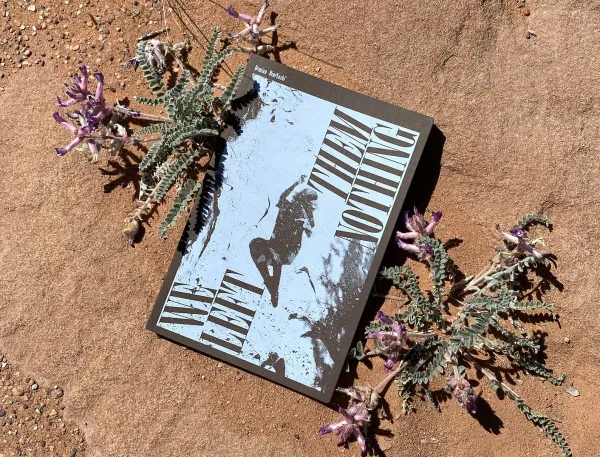
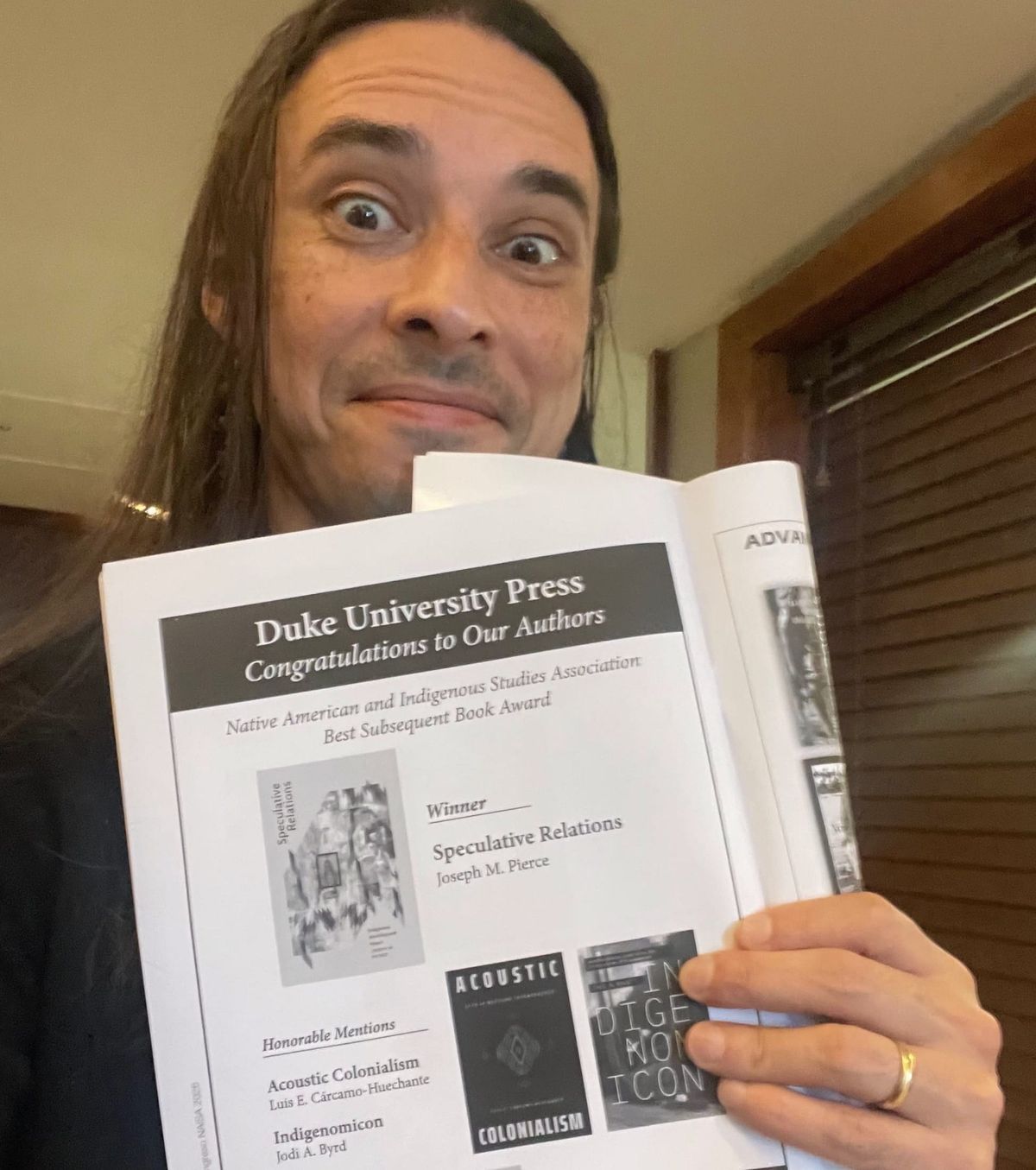
The first, and most important, is that in Temuco, Speculative Relations was given the 2026 Best Subsequent Book Award by NAISA. The association gives out two book awards each year: one for a first book, and one for a subsequent book (the category I was in).
Luis Cárcamo Huechante's Acoustic Colonialism and Jodi A. Byrd's Indigenomicon were each given an honorable mention. I'm just so thrilled that all of our books are out there in the world, together, now.
And though I knew I was going to be given the award because they had informed me weeks before, I wasn't prepared for how humbling it is for people to congratulate you over several days.
Of course I want people to read and use and love (love?) the book, but when you see it happening, when you are experiencing other people's appreciation in person.... I don't know what I really expected, but it was moving and awkward and surprising all at the same time.
I am deeply grateful to Committee Chair Malinda Maynor Lowery (Emory University) and committee members Adam Coon (University of Minnesota-Morris), Gail Gallagher (Alumna, University of Alberta Native Studies), and Eve Tuck (New York University) for their work on the committee, which produced the following generous citation regarding the book's contribution to our field:
The NAISA Best Subsequent Book award honors Joseph M. Pierce’s Speculative Relations for its profound reimagining of Indigenous scholarship. With an innovative structure and dynamic writing, the book makes sense of a core struggle within Native American and Indigenous Studies: how to overcome colonial categorization of our knowledge while wrestling with the diversity of our cultural expressions. To do this, Pierce argues that relational paradigms, such as kinship, repair, and world-building, extend beyond the self. Therefore, they are inherently speculative acts that demand our curiosity about the worlds within and beyond us. These speculative acts also demand "active, embodied relations with place." To quote his introduction, "I realized early on that traditional academic prose could not contain the feelings of rage, longing, or love that I felt while writing. My solution was not to try to fit those speculations into a normative academic framework, but to allow them to breathe." By enlivening rather than dissecting our relational paradigms, Speculative Relations offers a vibrant, innovative framework that challenges certitude and sparks necessary curiosity, deeply enriching the field of Indigenous studies.
Reading the citation again now, I am reminded of how important the book was and is for me--to me. It signals a shift in field for my scholarship, a shift that I never really knew I could make.
I started out as a Latin Americanist, and while I still work in a Spanish department and teach lots of courses about Latin America (in Spanish--I think people don't realize that my entire professional career I have taught in Spanish, not English). I still write about such things occasionally. But I am no longer interested in sustaining that type of field formation.
I wanted to be clear about how Speculative Relations is a NAIS book, and that I am a NAIS scholar.
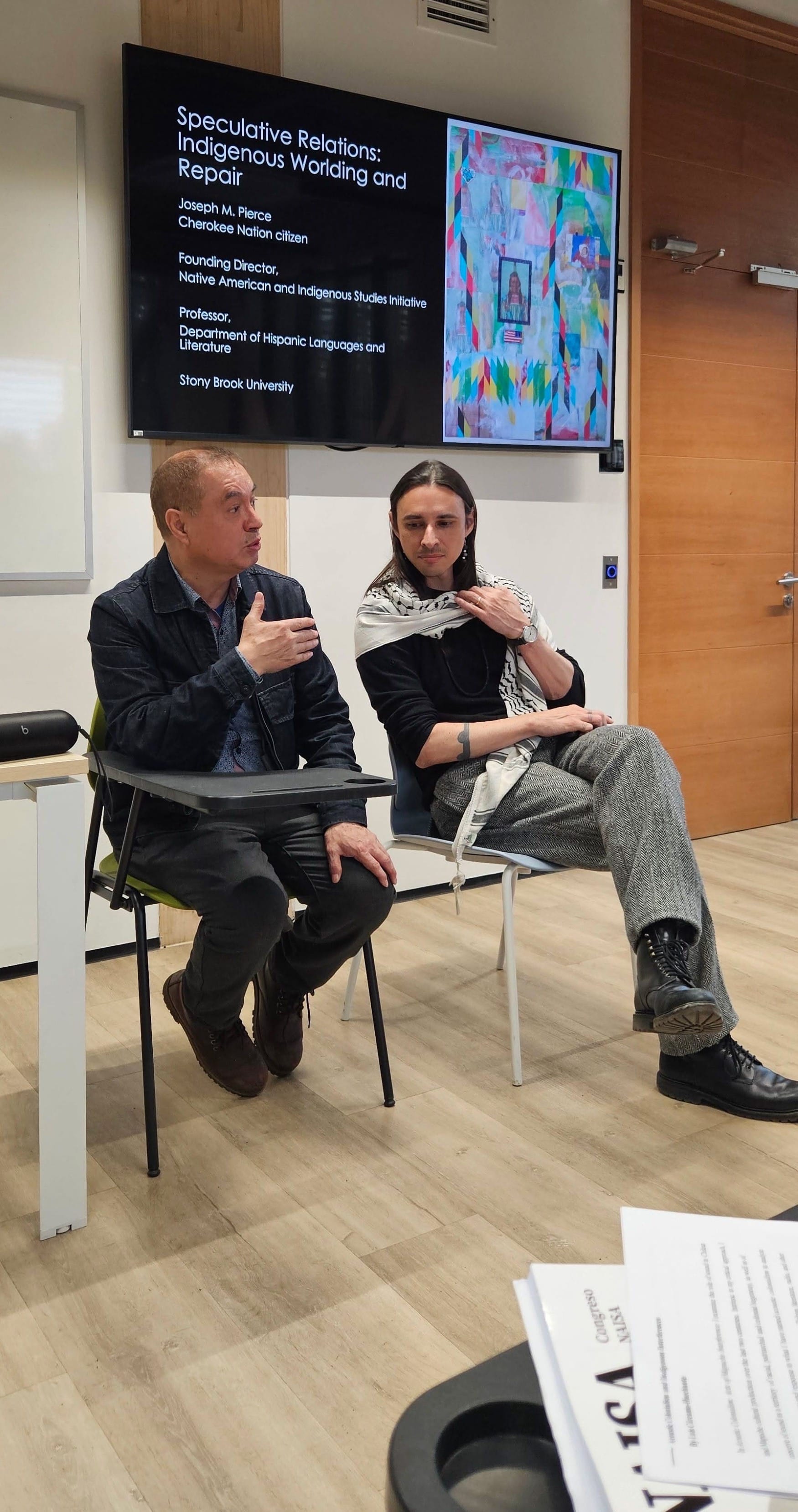
I don't know if one book can really do that, and I'm not saying that I don't want to produce scholarship about Abiayala (about Latin America, I'm more convinced). I was more that I knew that I had been having these conversations for years, nearly a decade, and I didn't have a major place to direct people where I had put it all together.
Until I did.
For the book to be validated in this way was astounding. I spent days in Temuco shaking my head in disbelief.
PS some of you will be receiving this newsletter after subscribing to my old Substack. I transferred those subscriptions here. Please stay!